The Architect and the Plantsman

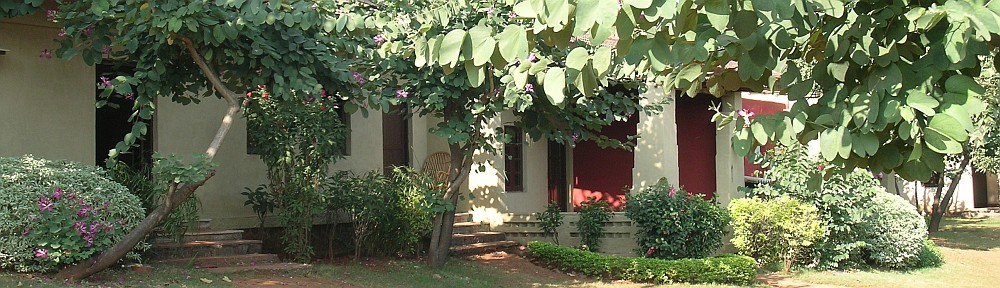
This Wall Street Journal article on the collaboration between reclusive Swiss architect Peter Zumthor and ascetic Dutch landscaper Piet Oudolf made me think about my own (much less famous) interaction with A.Y. Retiwalla for the Karjat Resort a decade ago. Unlike the collaborators here, neither of us had heard of the other before and were brought together by the client, Dr. Beramji. Still, the mutual respect and acceptance of ideas was similar and it ultimately led to something that was appreciated by all.
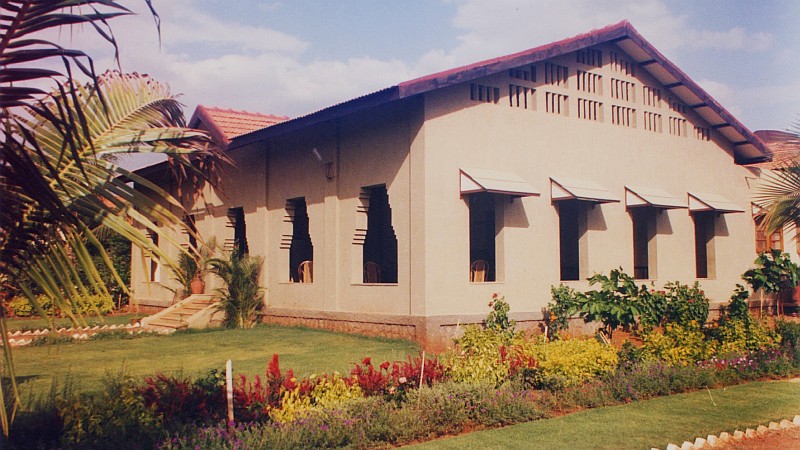
The restaurant, shortly after construction
The restaurant, shortly after construction

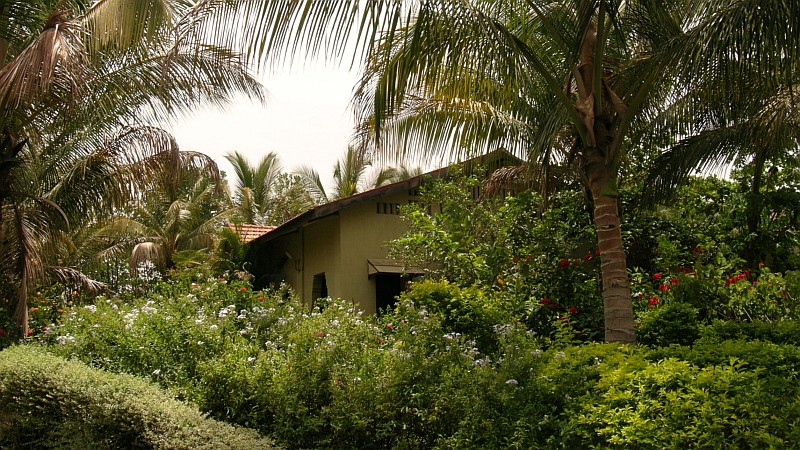
The restaurant about five years later

The restaurant about five years later

No egos were bruised during our meetings — they were left outside

Mr. Retiwalla was already well established in his line and it is to his credit that he discussed things with a relative youngster like myself, purely on merit. Ideas flowed freely between us and, with Dr. Beramji taking a keen interest in every aspect of the project, the tripartite meetings were very enjoyable.

Designing for Noise

designing for noiseAs Queen’s 1980s song, Radio Ga Ga, laments, “we hardly need to use our ears“.  Actually, we abuse our ears or, at the very least, ignore the abuse that others heap upon them.

Unfortunately, while we are easily able to close our eyes, nature hasn’t equipped us with lids to effectively shut our ears.

But what does architecture and design have to do with all this?

Usually, unless an architect is designing something with an overt acoustic requirement like, say, an auditorium or a recording studio, only visual aesthetics are considered.  However, as Julian Treasure points out in this TED talk, the auditory aspect is more crucial than we realise.

He illustrates just how detrimental the effects of noise can be, not only in special environments like hospitals or schools, but in homes and offices as well.  For myself–even though I’m quite aware of the debilitating effects of loud noise–the talk was quite an eye-opener.

See the video on TED | Why architects need to use their ears